
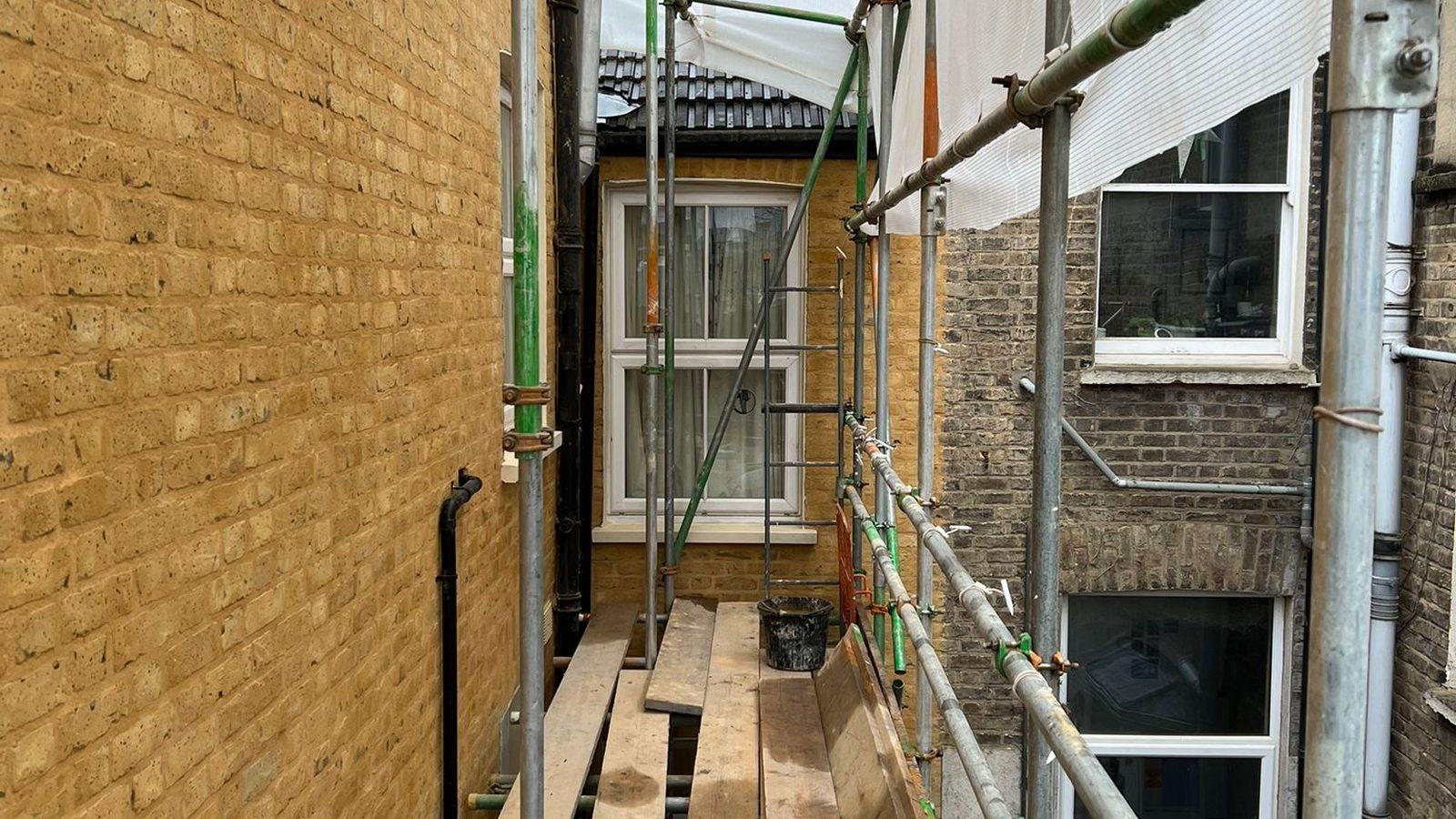
Brickwork Contractor in Hackney
Time-served bricklayers for repairs, new walls, extensions, restoration and all brickwork contracts. Serving Hackney (E8) and the surrounding areas.
Free brickwork contractor quote in Hackney
Send us the details and we will be straight back to you.
Heritage & conservation specialists
Lime-based restoration of period and listed buildings.
Structural brick stitching
Helical-bar repairs that strengthen cracked and bowing walls.
Trusted across London
Fully insured, working across the capital and home counties.
Brickwork packages across Hackney
The one trade on a build you cannot hide
Brickwork is the one trade on a build that cannot be hidden. Plastering gets covered, joinery gets painted, but the brickwork is what people look at for the next hundred years, and it is what the rest of the build has to be set out from. Get it wrong and you either live with it or take it down.
London Bricklayer take on brickwork packages across Hackney and the surrounding area, for extensions, new build housing, garden rooms, commercial projects and private work. We have been restoring London's period and listed buildings since 1973, and that heritage work is where our standards come from. It is also why architects and main contractors tend to come back to us for the jobs where the brickwork has to look right, not just stand up. Send us your drawings and we will price the package. Free quote, fully insured.
What we build
Our brickwork services in Hackney
- Extension brickwork built to the drawings and matched into the existing house
- New build housing and developments, laid to the specified bond, coursing and detailing
- Cavity wall construction with insulation, ties, trays and damp proof courses built in as the design requires
- Structural openings including lintels, padstones and making good around new steels
- Feature and decorative brickwork, from arches and soldier courses to corbelling, plinths and specified bonds
- Garden rooms, outbuildings and garden walls
- Commercial and developer projects, working as part of your site team
- Brick matching and making good where new work meets old
- Heritage and listed building brickwork in lime mortar, which remains our core discipline
Making new work belong
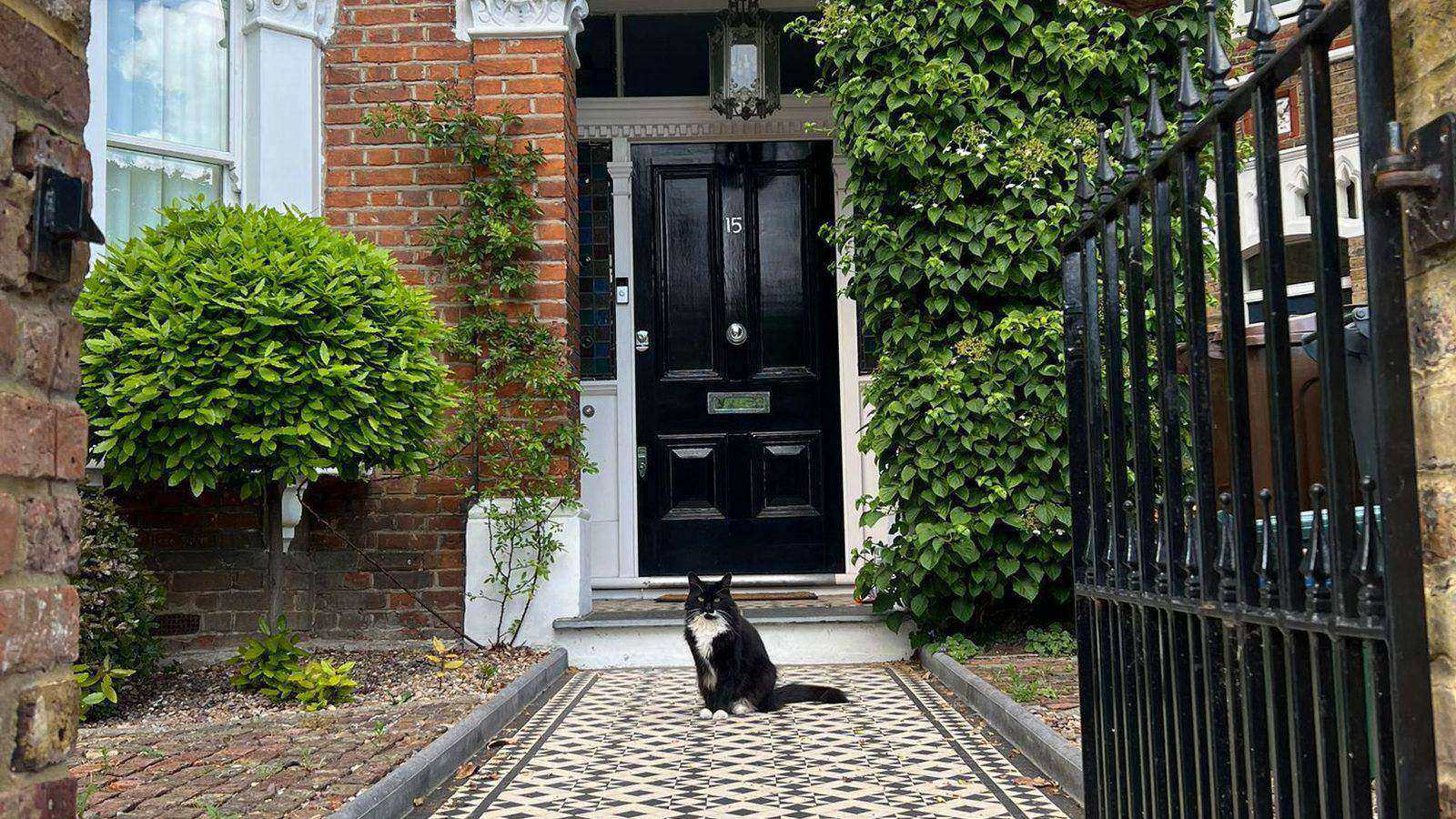
Brick matching that looks like it belongs
This is the single most common thing that goes wrong on an extension, and it is almost always visible from the street. The structure is sound, the workmanship is tidy, and the new wall still reads as an obvious addition because the brick is close but not right, or the brick is right and the mortar is wrong.
Mortar is the part most people underestimate. On a typical wall you are looking at a substantial proportion of the visible surface, so the colour, the texture and the joint profile of the pointing affect the appearance as much as the brick does. A modern grey cement joint next to a soft lime joint will not blend, whatever brick sits either side of it.
What we do about it:
- Source the closest available brick by size, colour range, texture and method of manufacture, rather than reaching for the nearest stock item. London stocks, reds, gaults and multis all vary considerably by area and by age
- Use reclaimed bricks where a match matters and the right ones can be found, which is often the only honest answer on a Victorian or Georgian elevation
- Match the mortar for colour, aggregate and texture, mixing to sample rather than to a bag specification
- Match the joint profile and thickness, since a struck, weathered, bucket handle or flush joint each read quite differently, and joint thickness on old brickwork is often finer or coarser than modern practice
- Match the bond and coursing so courses line through with the existing wall at window heads, cills and eaves rather than drifting out over the height of the extension
- Brick tinting where a sourced brick is close but a shade out, which is a heritage technique we use routinely
- Provide samples before we build, so you and your architect approve the brick and the mortar against the existing wall rather than after it is laid
A fair warning: on some elevations an exact match genuinely does not exist, usually because the original brick has not been made for decades and the wall has weathered for a century on top of that. Where that is the case we will tell you, show you the closest options and discuss the alternatives, which sometimes means deliberately differentiating the new work rather than attempting a match that will always look like a near miss. Conservation officers often prefer that approach on listed buildings in any case.
Built into the wall
Cavity wall construction
Most of what determines whether a cavity wall performs is buried in it, which is exactly why it is worth having built by people who do not treat the hidden parts as optional. The finished face looks the same either way until the wall gets wet.
- Insulation installed to the specified type and thickness, boards fitted tightly with no gaps at joints or around ties, since gaps create cold spots and condensation risk
- Wall ties of the correct type, length and spacing, set with the drip in the right orientation and bedded properly rather than pushed into the joint
- Cavity trays and damp proof courses at the right levels, correctly lapped and stepped, with weep vents above so water that gets in can get back out
- Clean cavities, kept free of mortar droppings that would otherwise bridge the cavity and carry damp through to the inner leaf
- Closers and reveals detailed at openings so the cavity is closed without creating a cold bridge
- Movement joints positioned and formed as the design requires, since long runs of brickwork need somewhere to move
Where your drawings specify the detailing, we build to them. Where they leave something open, we will raise it rather than make an assumption and carry on.
Where brickwork meets structure
Structural openings and lintels
Forming openings in existing walls, and building them into new work, is where brickwork meets structure. We work from the engineer's design rather than deciding load paths ourselves, and where a project needs a structural engineer and does not yet have one, we will say so before starting.
- Lintel installation for new openings, in the specified type and with the correct bearing at each end
- Padstones and spreaders where point loads need distributing into the wall below
- Needling and temporary support to hold the wall while the opening is formed
- Making good around new steels, including bedding, packing and building the brickwork back so the repair is not obvious
- Blocking up redundant openings, toothed into the existing bond rather than butted in as a visible panel
- Building in to engineer's details, working alongside your structural engineer and building control
Where a wall has cracked or moved rather than simply needing an opening, that is a repair question rather than a new brickwork question, and structural brick stitching with helical bars is often the answer.
Where craft shows
Feature and decorative brickwork
Decorative brickwork is where a bricklayer's ability actually shows, and it is the part of a London elevation that most often gets simplified away on a modern extension because it takes longer.
- Arches, including flat, segmental, semicircular and gauged brick arches
- Soldier courses to heads, cills and string courses
- Corbelling and dentil courses, including cornice detailing on period elevations
- Plinths, string courses and banding, including contrasting brick and stone bands
- Specified bonds including Flemish, English, English garden wall, stretcher and header bond, matched to the existing where extending
- Piers, capping and copings to walls, gates and boundaries
- Polychromatic and patterned brickwork, common on Victorian London elevations and frequently needing careful reinstatement
If you are extending a period property, replicating the original detailing is usually the difference between an extension that reads as part of the house and one that reads as a later addition. It costs more in labour and it is generally the money best spent on the elevation.
Get this right
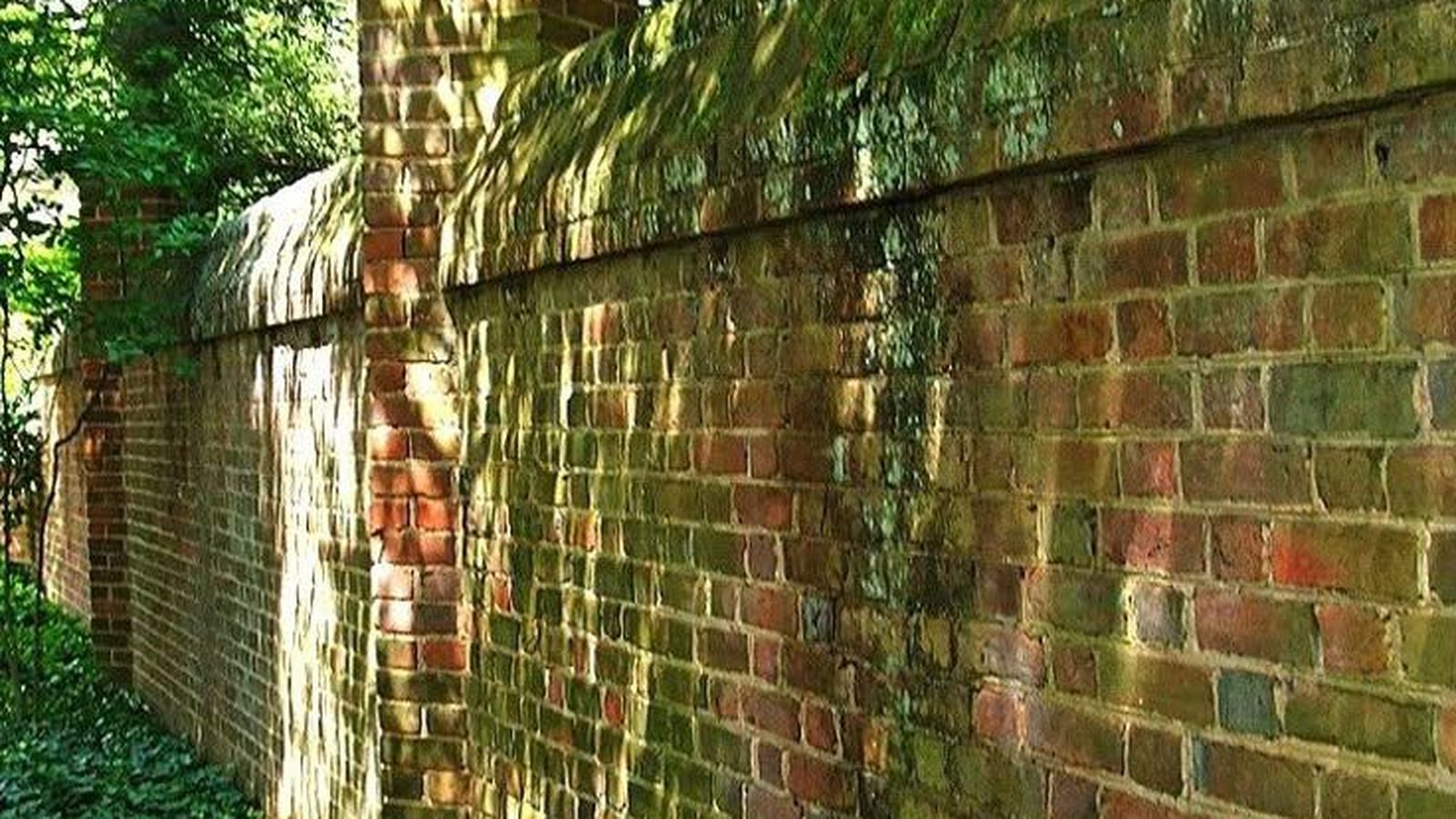
Lime or cement mortar: which your project needs
This matters more than it sounds, and getting it wrong causes real damage rather than just looking wrong.
Older & period walls need lime
Older solid wall and period buildings generally need lime. These walls are designed to breathe, taking up moisture and releasing it again through the mortar joints. Lime mortar is softer than the brick around it, so it takes up movement and lets moisture escape through the joint. Point the same wall in hard cement mortar and the moisture has nowhere to go except through the brick face, which then spalls and blows in frost. It is one of the most common causes of damage we are called to put right on period London properties, and the repointing that caused it was often done with good intentions.
Modern cavity walls take cement
Modern cavity brickwork is normally fine in cement based mortar to the specified mix, since the wall is designed to work that way and the cavity handles the moisture.
We will tell you which your wall needs and why. On a listed building or in a conservation area, the mortar specification may also be a condition of consent, and we work alongside conservation officers where that applies.
Transparent pricing
What affects the cost of a brickwork package
Brickwork is priced from drawings or from a site visit, because the variables that matter most are in the detailing rather than the wall area. Two extensions of identical size can differ considerably once you look at the openings, the bond and the brick.
On day rates and package pricing: we generally price the package rather than working on a day rate, because a package gives you a fixed cost you can budget and compare, and it puts the risk of a slow week on us rather than on you. Day rate work suits open ended or unpredictable jobs, and we will quote that way where it genuinely suits the project better, but for a defined package on drawings a priced quote is usually the better arrangement for both sides.
What moves the number:
- Quantity and height of brickwork, with the rate improving on larger, simpler runs
- Brick specification, since handmade, reclaimed and specialist bricks cost substantially more than standard stocks and lay more slowly
- Bond and coursing, as Flemish and English bond are slower to lay than stretcher bond, and gauged work slower again
- Feature and decorative detailing, which is labour rather than material and is the biggest single variable on a period elevation
- Number and type of openings, along with lintels, cills, arches and reveals
- Brick matching requirements, including sourcing, sampling, reclaimed supply and tinting
- Mortar specification, with lime work and matched mixes taking longer than a standard cement mix
- Access and scaffolding, including whether scaffold is in your package or ours, and constraints on tight London sites
- Programme and phasing, and whether we are working around other trades or have clear possession
- Materials supply, meaning whether you are supplying bricks and mortar or we are
- Site logistics, covering storage, loading out, waste and restrictions on parking or delivery times
Every quote is itemised, so you can see what the brickwork, the detailing, the matching and the materials each contribute, and compare us properly against another price rather than guessing at what has been included.
Who we work for
The right fit, whoever you are
Main contractors and builders
We take the brickwork package off your programme and get on with it, so you can concentrate on running the rest of the job. We turn up when we said, keep to the agreed sequence and leave brickwork the following trades can work off without argument.
Architects and surveyors
We build what is drawn, and where a detail will not work as drawn we raise it with you before it goes up rather than improvising and presenting you with it afterwards. On period and listed work we are used to conservation officer involvement and to specifications that go beyond the standard.
Developers
Repeatable quality across plots, a price you can rely on for the next phase, and brickwork that does not generate a snagging list at handover.
Private clients and self builders
We are happy to work directly for homeowners, and we will explain what we are doing in plain language rather than assuming you speak in build ups and bond names. If you are extending a period house and the elevation matters to you, that is the work we know best.
How we run the job
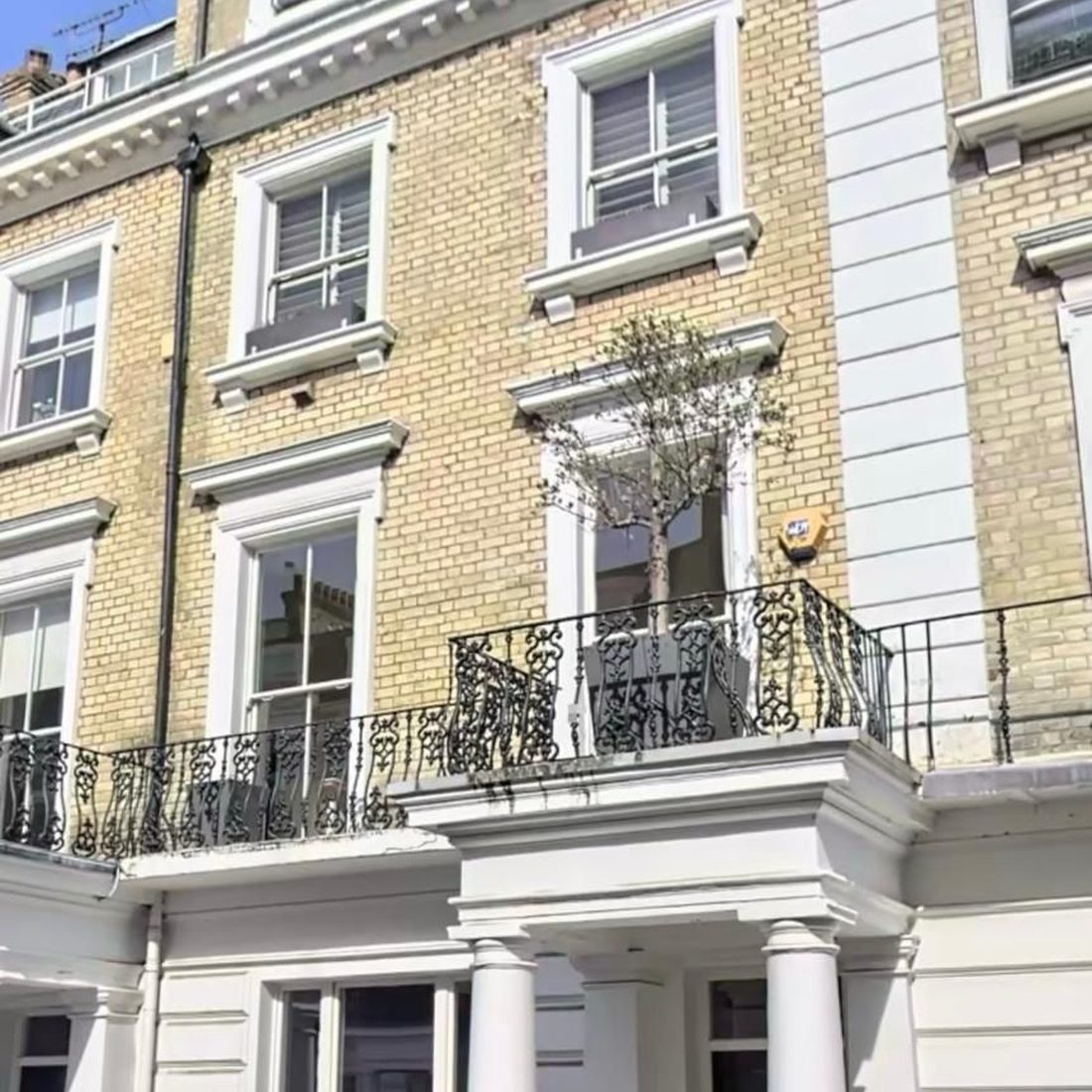
Working to your drawings and programme
Send us the drawings and specification and we will price the brickwork package from them. If there is no full specification yet, a site visit and a conversation about what you want the wall to look like will usually get us far enough to price it.
Once we are on board:
- We agree the sequence with you before we start, including where we need to be to let the following trades in and where we depend on someone else finishing first
- We flag the dependencies early, particularly steels, scaffold, DPC levels and anything the engineer still has to confirm, because those are what usually stall brickwork
- We confirm samples and approvals in advance, so brick and mortar sign off is not sitting on the critical path once the scaffold is up
- We keep to the agreed programme and tell you as soon as something threatens it rather than at the end of the week
- We work around other trades where the site demands it, and we are used to tight London sites with restricted access, limited storage and delivery windows
- We leave it clean. Brickwork cleaned down, cavities clear, scaffold left tidy and waste dealt with rather than stacked in a corner for someone else
Step by step
Our bricklaying process in Hackney
Drawings and enquiry
Send us plans, elevations and the specification, or ask us to visit. We will tell you quickly whether it is work we are right for.
Site visit
We look at access, scaffold requirements, the existing brickwork we are matching into and anything that will affect the programme.
Priced package
An itemised quote covering brickwork, detailing, matching and materials, with the assumptions and exclusions stated plainly so there is nothing to dispute later.
Samples and approvals
Brick and mortar samples put up against the existing wall for you, your architect or the conservation officer to approve before we build.
Programme agreed
Start date, sequence, dependencies and access arrangements confirmed in writing.
Brickwork
Built to bond, plumb and level, with cavity detailing, ties, trays and openings built in as specified and as the work proceeds rather than retrofitted.
Pointing and finishing
Joints finished to the specified profile, brickwork cleaned down and features completed.
Handover
We walk the work with you, deal with anything outstanding there and then, and leave the brickwork ready for the following trades.
Why London Bricklayer
Built on heritage standards, priced straight
- Restoring London's period and listed buildings since 1973. Decades of work where the brickwork had to satisfy conservation officers, not just building control
- Brick and mortar matching as a core skill, including sourcing, reclaimed supply, matched mixes, joint profiles and brick tinting
- Lime and traditional methods alongside modern construction, so we can tell you which your wall actually needs and build it either way
- Used to working with the wider team, including architects, surveyors, structural engineers and conservation officers
- Fully insured, with public liability cover and safe working practices on every project
- Samples before we build, so appearance is agreed on the wall rather than argued about afterwards
- Itemised quotes with stated exclusions, so you know what is in the price and can compare it properly
- Covering Hackney, the wider capital and the home counties
Brickwork Contractors in Hackney: Your Questions Answered
Everything you need to know about brickwork contractor in Hackney. Still not sure? Just ask.
Can you price the brickwork package from our drawings?
Do you work for builders and main contractors, or only direct?
Do you work on a day rate or a fixed price?
Can you match the brickwork on our existing house?
Will we see samples before you build?
How long will the brickwork take?
Do you supply the bricks and materials, or do we?
Is scaffolding included?
Our house is listed or in a conservation area. Can you work on it?
Do we need a structural engineer?
Our brickwork has cracked. Is that a job for you?
When in the project should we get you involved?
Is there a minimum size of job you take on?
Other brickwork services in Hackney
We provide a whole range of brickwork services for our Hackney clients:
Looking for brickwork contractor in a nearby area?
We also cover surrounding areas across London and the home counties:
Covering Hackney
We work throughout Hackney (E8) and the surrounding London areas. Get in touch to check we cover your street, we almost certainly do.
Send us your drawings for a free quote
Whether it is a brickwork package on a new build, an extension where the elevation has to match, or a period property that needs someone who understands lime, we will price it properly and tell you plainly what is and is not included. Working across Hackney, the wider capital and the home counties. Fully insured. Restoring and building London brickwork since 1973.